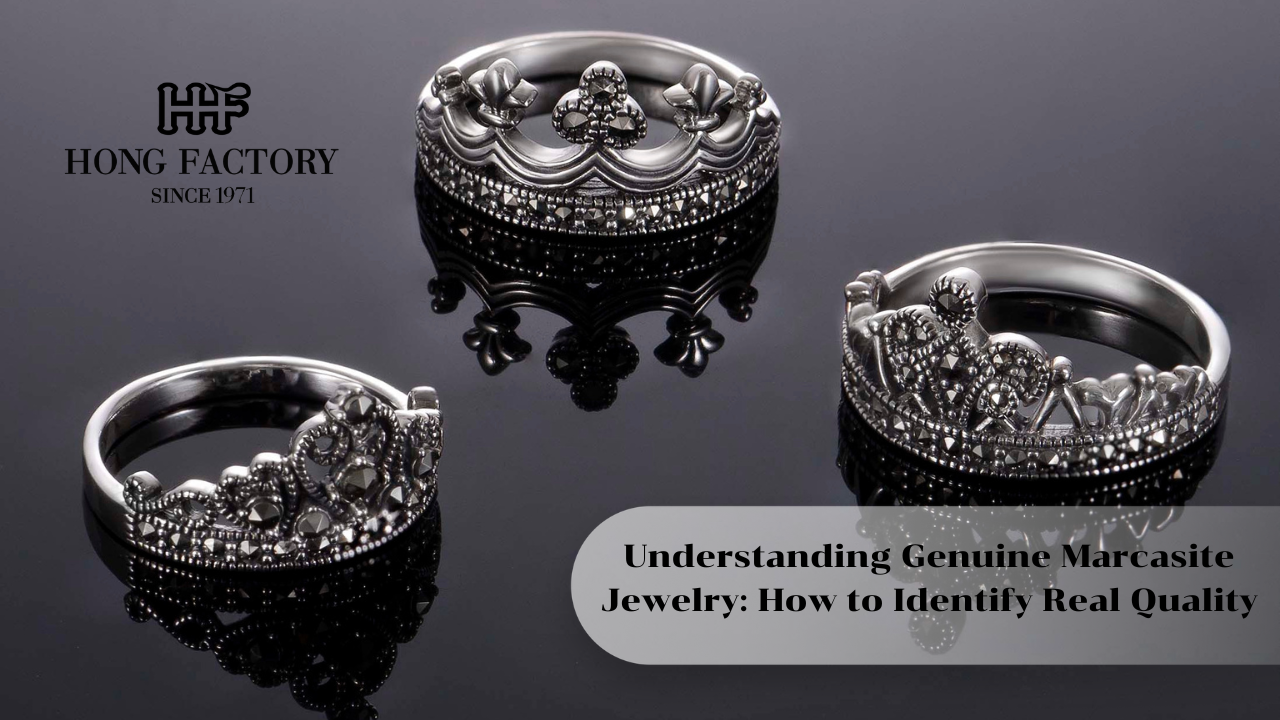
Genuine marcasite jewelry is admired for its vintage shine, intricate craftsmanship, and timeless appeal. However, because marcasite jewelry is popular and relatively affordable, the market also contains many imitations or low-quality versions. For collectors, enthusiasts, and everyday buyers, understanding how to identify real marcasite jewelry is essential. This guide explains the characteristics of authentic marcasite, how to spot imitations, and what quality markers to look for when buying marcasite jewelry. 925
What Makes Marcasite Jewelry “Genuine”?
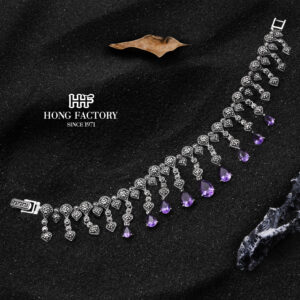
Authentic marcasite jewelry is made using faceted pyrite stones set almost always in sterling silver. True marcasite (the mineral) is too brittle to use, so pyrite is the industry standard.
Genuine marcasite includes:
- Natural pyrite stones
- Hand-faceted cuts
- Secure prong settings
- Sterling silver or high-quality metal bases
These qualities separate authentic pieces from fakes or costume jewelry.
How Genuine Marcasite Stones Look
Real marcasite stones have a distinctive appearance.
Characteristics:
- Metallic, smoky-gray shine
- Faceted surfaces that reflect light
- Unique texture and depth
- Small, uniform shapes
Fake stones often look too shiny, too smooth, or overly reflective.
Authentic Marcasite vs Fake Marcasite
There are multiple forms of imitation marcasite on the market.
Common fakes include:
- Glass stones painted in metallic shades
- Plastic rhinestones with metallic coating
- Metal beads pretending to be faceted pyrite
How fakes differ:
- Lack depth in sparkle
- Appear too lightweight
- Look overly polished or synthetic
Real marcasite has a natural shimmer that imitations cannot replicate.
The Metal Setting: A Major Indicator of Authenticity
Genuine marcasite jewelry is typically set in 925 sterling silver.
Look for markings such as:
- 925
- Sterling
- SS (less common)
If the jewelry uses cheap metals like aluminum or low-grade brass with a marcasite sticker, it is likely fake.
Hand-Set Stones vs Glued Stones
Authentic marcasite jewelry uses prong settings, not glue.
Signs of real craftsmanship:
- Tiny claws holding each stone
- Even spacing
- Neat alignment
Imitations often glue stones onto the surface, which peel off easily.
Glue indicators:
- Stones look sunken or uneven
- Residue visible around edges
- Stones fall out quickly
Real marcasite settings are secure and precise.
Weight and Durability
Authentic marcasite jewelry feels slightly heavier because of the pyrite stones and sterling silver base.
Real pieces:
- Have noticeable yet balanced weight
- Feel solid and well-constructed
- Do not bend easily
Fake pieces tend to feel lightweight and fragile.
Sparkle and Light Reflection
Real marcasite sparkles differently from rhinestones or crystals.
Genuine sparkle:
- Subtle, metallic reflection
- Smoky, antique brightness
- Sparkles in low lighting
Fake pieces can look overly glittery or artificial.
Consistency of the Cut
Real marcasite stones are hand-faceted and may not be perfectly identical—which adds to their charm.
Imitation stones tend to:
- Look too uniform
- Be overly smooth
- Have no depth in reflection
Natural imperfections in marcasite indicate authenticity.
Craftsmanship in Silverwork
High-quality marcasite jewelry often features intricate silver designs.
Look for:
- Clean filigree patterns
- Symmetrical shapes
- Even oxidation
- Smooth finishing
Low-quality silver frames show uneven soldering or rough edges.
Price as a Quality Indicator
Marcasite jewelry is affordable but not extremely cheap.
Warning signs:
- Prices that seem too low
- Excessive discounts
- Mass-market costume jewelry stores
Authentic marcasite requires real craftsmanship, so it carries reasonable cost.
Checking for Brand Reputation
When buying marcasite jewelry, the brand or seller matters.
Trustworthy sellers:
- Provide silver purity guarantees
- Use genuine pyrite stones
- Offer repair services
- Have long-standing reputations
Avoid sellers who provide no certification or vague descriptions.
Testing for Authenticity
There are simple tests to identify real marcasite.
Magnet test:
- Pyrite is weakly magnetic; plastic or glass is not.
Light test:
- Real marcasite reflects light in sharp, metallic flashes.
Scratch test (not recommended on finished jewelry):
- Pyrite can scratch metal slightly due to its hardness.
For valuable pieces, consider a jeweler’s verification.
Vintage vs Modern Genuine Marcasite
Both vintage and modern genuine marcasite have unique qualities.
Vintage pieces:
- Hand-cut stones
- Deep oxidation
- Highly detailed silver patterns
Modern pieces:
- Precise machine faceting
- Cleaner silver finishing
- Consistent stone sizes
Both are authentic, but vintage marcasite may be more collectible.
Common Myths About Marcasite Authenticity
Myth 1: True marcasite stones must be large.
- Reality: Most marcasite stones are very small by design.
Myth 2: Marcasite should sparkle like diamonds.
- Reality: Marcasite has subtle metallic shine, not brilliant flashes.
Myth 3: All marcasite jewelry is cheap costume jewelry.
- Reality: High-quality marcasite jewelry is made with sterling silver and natural pyrite.
What to Look for When Buying Marcasite Jewelry
Checklist for authenticity:
- Sterling silver markings
- Hand-set prong settings
- Consistent but natural stone cuts
- Balanced weight
- Smoky metallic glitter
- Reputable sellers
If all these elements are present, the piece is likely genuine.
Why Genuine Marcasite Jewelry Is Worth It
Authentic marcasite jewelry offers:
- Superior durability
- Timeless vintage elegance
- Strong craftsmanship
- Long-term value
Fake marcasite may look appealing at first but will degrade quickly.
Conclusion
Understanding the markers of genuine marcasite jewelry helps buyers choose pieces that are beautiful, durable, and worth the investment. From checking the metal quality and the stone settings to understanding the natural appearance of pyrite, these criteria ensure that you always select authentic, high-quality marcasite.
In the next chapter, we will explore how to choose the best marcasite jewelry for personal style and daily wear.