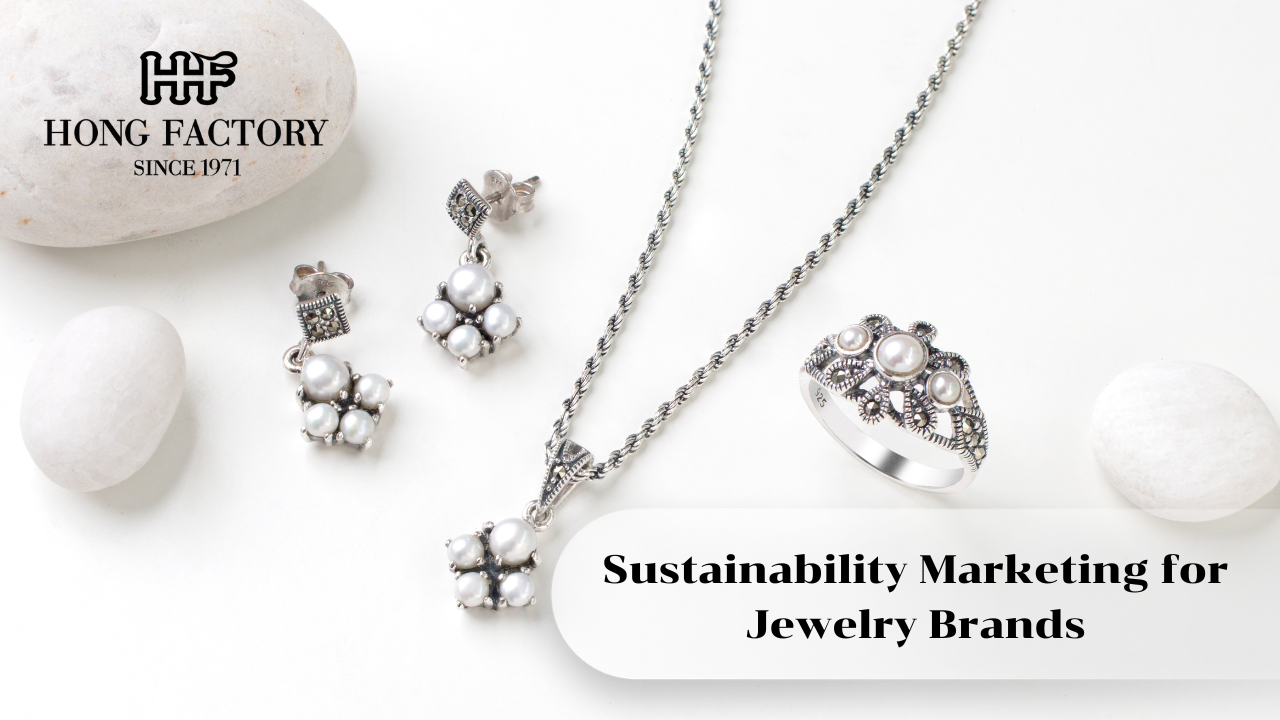
Sustainability has become a defining factor in how modern consumers evaluate jewelry brands. In the marcasite jewelry niche—where materials, sourcing, and craftsmanship are closely examined—a clear and credible sustainability marketing strategy for jewelry brands helps build trust, differentiate the brand, and align with evolving customer values. When communicated honestly, sustainability strengthens both brand reputation and long-term loyalty. 925
This article explains how marcasite jewelry brands can develop, communicate, and scale sustainability marketing strategies that are authentic, transparent, and aligned with real business practices.
Why Sustainability Marketing Matters for Jewelry Brands

Values increasingly influence purchasing decisions.
Key Benefits of Sustainability Marketing
- Increased trust and brand credibility
- Stronger emotional connection with customers
- Differentiation in competitive markets
- Long-term brand resilience
For jewelry brands, sustainability marketing must reflect genuine action.
Understanding Sustainability in the Jewelry Industry
Sustainability is multi-dimensional.
Core Sustainability Areas in Jewelry
- Responsible sourcing of materials
- Ethical labor and craftsmanship practices
- Environmental impact and waste reduction
- Longevity and product durability
Clear understanding prevents superficial messaging.
Defining Sustainability Goals for Jewelry Brands
Goals guide communication.
Common Sustainability Objectives
- Reduce environmental footprint
- Improve transparency in sourcing
- Support ethical production standards
- Educate customers on responsible consumption
Defined goals ensure consistent messaging.
Responsible Material Sourcing
Materials shape perception.
Sustainable Material Practices
- Responsible silver sourcing
- Transparent gemstone and marcasite supply chains
- Avoidance of conflict materials
Material transparency builds trust.
Ethical Craftsmanship and Labor Practices
People are central to sustainability.
Ethical Production Principles
- Fair wages and safe working conditions
- Skilled artisan preservation
- Long-term supplier relationships
Ethical practices strengthen brand integrity.
Environmental Impact Reduction Strategies
Reducing impact requires intention.
Environmental Sustainability Initiatives
- Waste reduction in production
- Energy-efficient manufacturing processes
- Minimal and eco-conscious packaging
Environmental action supports credible messaging.
Communicating Sustainability Without Greenwashing
Honesty protects credibility.
Authentic Sustainability Communication Tips
- Share what you do and what you are improving
- Avoid vague or exaggerated claims
- Provide clear, verifiable information
Transparency builds long-term trust.
Storytelling in Sustainability Marketing
Stories make values relatable.
Sustainability Storytelling Ideas
- Behind-the-scenes sourcing stories
- Artisan and workshop highlights
- Product longevity and care education
Storytelling humanizes sustainability efforts.
Sustainability Content Across Marketing Channels
Consistency reinforces belief.
Channel-Specific Sustainability Content
- Website sustainability pages
- Product descriptions and FAQs
- Social media education posts
- Email newsletters
Integrated messaging improves credibility.
Sustainability Marketing for Product Pages
Product-level clarity matters.
Product Page Sustainability Best Practices
- Explain materials and sourcing clearly
- Highlight durability and long-term wear
- Avoid overwhelming technical language
Clarity supports informed decisions.
Sustainability for Wholesale and B2B Jewelry Brands
Sustainability influences partnerships.
B2B Sustainability Communication
- Transparent sourcing documentation
- Ethical production assurances
- Compliance with international standards
Professional transparency builds B2B trust.
Certifications and Third-Party Validation
Verification increases confidence.
Sustainability Validation Options
- Ethical sourcing certifications
- Environmental or social compliance audits
- Independent assessments
Third-party validation strengthens claims.
Educating Customers About Sustainable Jewelry
Education empowers buyers.
Customer Education Topics
- Caring for jewelry to extend lifespan
- Understanding materials and sourcing
- Making thoughtful purchasing decisions
Education aligns with responsible consumption.
Measuring Sustainability Marketing Performance
Measurement ensures accountability.
Sustainability Marketing Metrics
- Engagement with sustainability content
- Customer sentiment and feedback
- Brand trust and perception indicators
Metrics guide communication refinement.
Avoiding Common Sustainability Marketing Mistakes
Mistakes erode trust.
Mistakes to Avoid
- Greenwashing or exaggerated claims
- Inconsistent sustainability messaging
- Ignoring internal alignment with marketing claims
Integrity is essential.
Aligning Sustainability with Brand Identity
Sustainability should feel natural.
Brand Alignment Practices
- Integrate sustainability into brand story
- Reflect values consistently across channels
- Avoid trend-driven sustainability positioning
Alignment ensures authenticity.
Scaling Sustainability Marketing Over Time
Growth requires commitment.
Scaling Strategies
- Set long-term sustainability roadmaps
- Improve transparency gradually
- Update customers on progress regularly
Consistency builds credibility.
Long-Term Value of Sustainability Marketing for Jewelry Brands
Sustainability compounds brand equity.
Strategic Benefits
- Stronger customer loyalty
- Improved brand differentiation
- Long-term business resilience
Sustainability becomes a competitive advantage.
Conclusion
A strategic sustainability marketing approach for jewelry brands enables marcasite jewelry businesses to build trust, align with modern values, and communicate responsibility without compromising credibility. By focusing on transparent sourcing, ethical craftsmanship, environmental impact reduction, and honest storytelling, brands can turn sustainability into a meaningful part of their identity. In a trust-driven industry, sustainability marketing succeeds when actions speak louder than claims.