Introduction to Silver Jewellery Product Lifecycle Management
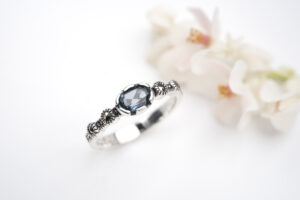
Silver jewellery product lifecycle management focuses on managing a product from initial concept through launch, growth, maturity, and eventual phase-out. Effective lifecycle management helps brands optimize resources, reduce risk, and maximize value throughout the lifespan of silver jewellery products. 925
What Product Lifecycle Management Means in Silver Jewellery
Product lifecycle management in silver jewellery refers to the structured coordination of design, development, production, marketing, and discontinuation. It ensures that jewellery silver products and sterling silver jewellery collections are aligned with market demand and business goals.
Planning and Concept Development
Lifecycle management begins with planning and concept development. Market research, trend analysis, and customer insight guide the creation of relevant silver jewellery ideas.
Design and Development Phase
During development, designers and engineers refine concepts into producible designs. Prototyping, material selection, and cost analysis ensure feasibility and quality.
Product Launch Strategy
A successful launch includes pricing, distribution, and marketing coordination. Clear messaging and channel alignment help introduce sterling silver jewellery effectively to the market.
Growth and Market Expansion
In the growth phase, demand increases and distribution expands. Brands focus on scaling production, optimizing supply chains, and enhancing promotion.
Managing Maturity and Competition
As products mature, competition intensifies. Lifecycle management emphasizes differentiation, bundling, or repositioning to sustain performance.
Product Optimization and Refresh
Refreshing designs, updating finishes, or introducing variations extends product life. Continuous optimization keeps silver jewellery collections relevant.
End-of-Life and Discontinuation Decisions
Eventually, products may be discontinued. Clear criteria for phase-out help manage inventory, minimize waste, and transition customers to new offerings.
Data and Analytics in Lifecycle Management
Data on sales, margins, and customer feedback informs lifecycle decisions. Analytics support timely adjustments and investment prioritization.
Cross-Functional Collaboration
Effective lifecycle management requires collaboration across design, production, marketing, and sales teams. Alignment improves execution and efficiency.
Business Benefits of Lifecycle Management
Strong lifecycle management reduces costs, improves forecasting, and increases profitability. It also supports innovation planning and portfolio balance.
SEO Value of Silver Jewellery Product Lifecycle Management Content
From an SEO perspective, silver jewellery product lifecycle management content targets planning, launch, and optimization-focused search intent. When combined with keywords such as jewellery silver and sterling silver jewellery, it strengthens strategic authority clusters.
Conclusion
Silver jewellery product lifecycle management supports planning, launch, and optimization. By managing each stage effectively, brands can maximize value, reduce risk, and achieve sustainable growth.