
Marcasite jewelry has a distinctive beauty that sets it apart from other gemstones. With its metallic shine, elegant vintage appeal, and affordability, marcasite has remained a beloved choice for jewelry lovers around the world. But how does it truly compare to other popular gemstones such as diamonds, crystals, onyx, or cubic zirconia? In this article, we examine the characteristics, advantages, and unique qualities of marcasite—and why it continues to shine in the jewelry world. 925
Understanding What Marcasite Really Is
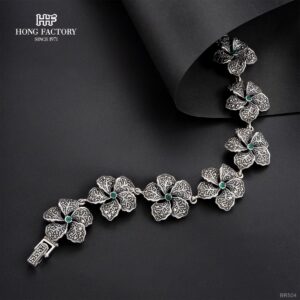
Marcasite jewelry is made from pyrite, not true marcasite. Pyrite is durable, stable, and suitable for faceting, making it ideal for creating the shimmering effect that marcasite jewelry is known for.
Key characteristics of marcasite:
- Metallic, smoky shine
- Faceted surfaces that reflect light
- Small stone size for intricate designs
- Best paired with sterling silver
These qualities give marcasite a signature appearance not found in other gemstones.
Marcasite vs Diamonds
Diamonds are known for their brilliance and luxury, but marcasite offers a completely different charm.
Differences:
- Brilliance: Diamonds refract light; marcasite reflects it.
- Color: Diamonds are clear; marcasite has dark metallic tones.
- Price: Marcasite is far more affordable.
- Aesthetic: Diamonds look modern and glamorous, while marcasite feels vintage and elegant.
When marcasite is preferred:
- For antique-inspired or Victorian-style jewelry
- For subtle sparkle rather than intense brilliance
- For affordable luxury pieces
Marcasite provides elegance without the high cost of diamonds.
Marcasite vs Cubic Zirconia (CZ)
Cubic zirconia is one of the most common diamond alternatives.
How they differ:
- Sparkle type: CZ is bright and eye-catching; marcasite is softer and more mysterious.
- Color: CZ comes in many colors; marcasite stays within metallic shades.
- Usage: CZ is often used in modern designs; marcasite is common in vintage pieces.
Why people choose marcasite:
- For antique or Art Deco looks
- For jewelry that doesn’t appear overly flashy
- For unique texture and depth
Both stones have charm—but marcasite appeals to those who love subtle sophistication.
Marcasite vs Onyx
Onyx is a smooth, solid black gemstone often paired with marcasite in jewelry designs.
Differences:
- Texture: Onyx is smooth; marcasite is faceted.
- Color: Onyx is deep black; marcasite is metallic gray.
- Shine: Onyx has a glossy finish; marcasite sparkles.
Why marcasite stands out:
- Offers movement and light reflection
- Adds detail to vintage jewelry
- Works well in both bold and delicate designs
Onyx provides drama; marcasite provides sparkle.
Marcasite vs Black Spinel
Black spinel is another dark gemstone gaining popularity.
Comparison:
- Sparkle: Spinel has high brilliance; marcasite has antique shimmer.
- Durability: Black spinel is harder than marcasite.
- Price: Marcasite is generally more affordable.
- Style: Spinel suits modern glam; marcasite suits classic elegance.
When marcasite is preferred:
- For vintage, Victorian, or Art Deco styles
- When a softer, metallic glow is desired
Spinel dazzles—marcasite enchants.
Marcasite vs Hematite
Hematite is another metallic gemstone with a shiny surface.
Differences:
- Luster: Hematite has a mirrored shine; marcasite has a glittery sparkle.
- Color: Hematite is darker and more reflective; marcasite is lighter and faceted.
- Cut: Hematite is often polished smooth; marcasite is faceted for sparkle.
Marcasite offers more visual texture and detail than hematite.
Marcasite vs Crystals
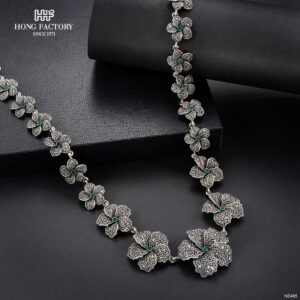
Crystals, especially Swarovski crystals, are vibrant and colorful.
Differences:
- Brightness: Crystals are bold; marcasite is subtle.
- Style: Crystals suit modern fashion; marcasite suits classic and vintage looks.
- Symbolism: Crystals represent energy; marcasite represents elegance and mystery.
Those who prefer understated beauty often choose marcasite over crystal jewelry.
Marcasite vs Pearls
Pearls are timeless and luxurious, but very different from marcasite.
Differences:
- Texture: Pearls are smooth and soft-looking; marcasite sparkles.
- Color: Pearls come in whites, creams, and pastels; marcasite stays metallic.
- Occasion: Pearls feel classic; marcasite feels classic and dramatic.
When marcasite is ideal:
- When adding contrast to formal wear
- When seeking vintage elegance
Pearls whisper elegance—marcasite whispers elegance with a hint of mystery.
What Makes Marcasite Truly Unique
Among all gemstones, marcasite stands out for:
- Its subtle, smoky sparkle
- Its strong association with vintage and Art Deco design
- Its affordability paired with luxury appeal
- Its compatibility with intricate metalwork
- Its lightweight comfort for long wear
No other gemstone provides the exact combination of mystery, sparkle, and history.
Why Designers Love Using Marcasite
Jewelry designers appreciate marcasite for its:
- Tiny stone size
- Faceted shine
- Versatility with silver
- Ability to create highly detailed patterns
It allows for creativity that many gemstones cannot support.
The Emotional Appeal of Marcasite
Many people are drawn to marcasite because it feels:
- Romantic
- Vintage-inspired
- Artistic
- Elegant
- Unique
Its emotional connection deepens its popularity.
Conclusion
When compared to diamonds, cubic zirconia, onyx, crystals, and other gemstones, marcasite stands out due to its unique metallic sparkle, affordability, and strong presence in vintage jewelry design. Its ability to blend subtle elegance with intricate craftsmanship makes it a timeless favorite.
Whether worn for daily style or special occasions, marcasite offers a charm that no other gemstone can replicate.