Introduction to Silver Jewellery Regulations

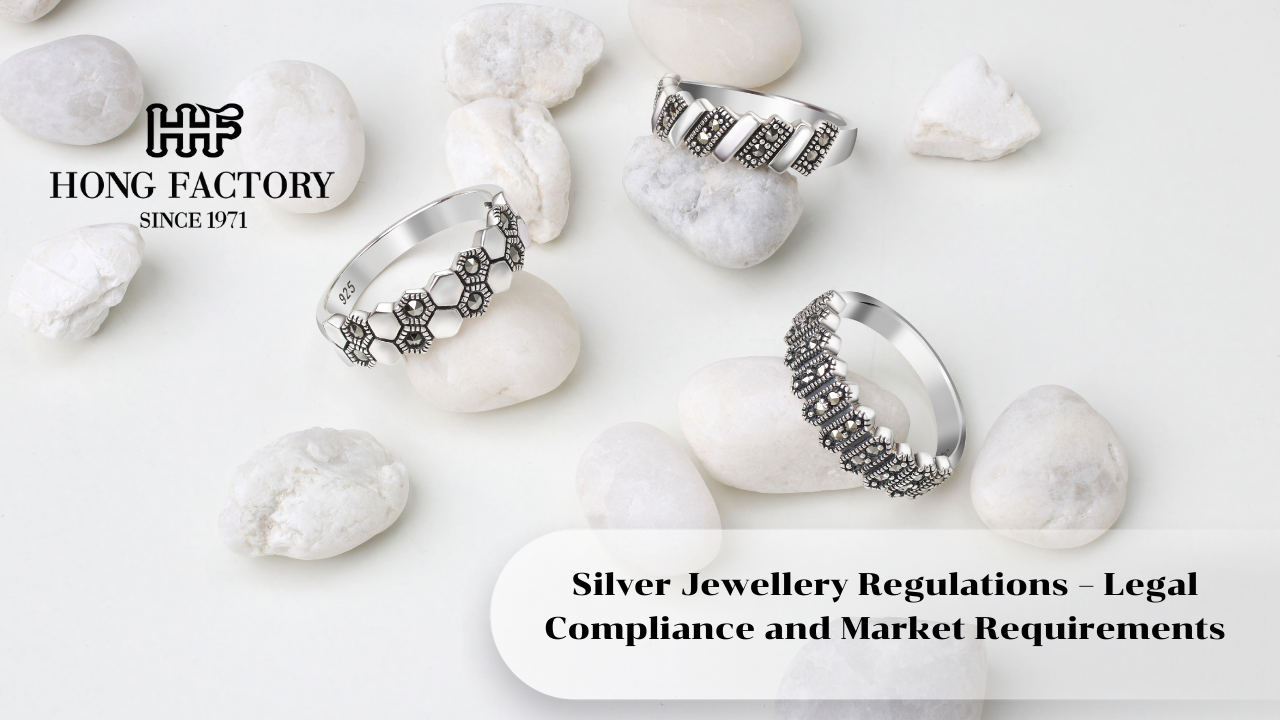
Silver jewellery regulations define the legal and compliance requirements that govern how silver jewellery is produced, labeled, sold, and traded. Understanding these regulations is essential for brands, manufacturers, and exporters to operate legally, avoid penalties, and build trust in domestic and international markets. 925
What Silver Jewellery Regulations Mean
Silver jewellery regulations refer to laws and standards that control silver purity claims, hallmarking, consumer protection, and trade practices. These rules ensure that jewellery silver products, especially sterling silver jewellery, are accurately represented and fairly sold.
Hallmarking and Purity Regulations
Many countries require hallmarking to verify silver purity. Marks such as 925 or official assay stamps confirm sterling silver content and protect consumers from misrepresentation.
Labeling Requirements for Silver Jewellery
Labeling regulations govern how silver jewellery is described in product listings, packaging, and marketing materials. Accurate disclosure of silver content, coatings, and treatments is mandatory in many markets.
Consumer Protection Laws
Consumer protection laws ensure fair pricing, truthful advertising, and clear return policies. Compliance helps silver jewellery businesses avoid disputes and maintain positive brand reputation.
Import and Export Regulatory Compliance
International trade regulations affect silver jewellery export and import. Customs documentation, purity declarations, and country-specific standards must be met to avoid shipment delays or rejection.
Regional Differences in Regulations
Silver jewellery regulations vary by region. The EU, US, and Asian markets each apply different hallmarking systems and compliance rules, requiring market-specific knowledge.
Penalties for Non-Compliance
Failure to comply with silver jewellery regulations can result in fines, product seizures, or sales bans. Proactive compliance reduces legal risk and operational disruption.
Role of Certification and Testing
Certification and third-party testing support regulatory compliance. Independent verification of sterling silver jewellery strengthens credibility and simplifies market entry.
Business Benefits of Regulatory Compliance
Compliance builds consumer trust, supports export readiness, and strengthens long-term brand stability. Regulated operations are more attractive to partners and distributors.
SEO Value of Silver Jewellery Regulations Content
From an SEO perspective, silver jewellery regulations content targets legal, compliance, and B2B search intent. When combined with keywords such as jewellery silver and sterling silver jewellery, it strengthens authority-based content clusters.
Conclusion
Silver jewellery regulations are essential for legal operation and market access. By understanding and following regulatory requirements, businesses can protect their brand, expand globally, and operate with confidence.